I once walked a assets the place a home-owner had “cleaned up” a mature red maple forward of a outdoor wedding. The canopy seemed tight and symmetrical, however the branches were sheared like a hedge. Six months later, the tree driven out a tangle of vulnerable water sprouts, the canopy density doubled, and a couple of cuts had invited decay. The process regarded tidy for a season, then the difficulties commenced. That stopover at is the clearest reminder I have that trimming and pruning usually are not interchangeable. Each serves a intent, and mixing them up prices funds and canopy years.
This big difference issues for those who manipulate a unmarried boulevard tree or a small wooded area round a homestead. It impacts defense, hurricane resilience, fruit yield, sightlines, and longer term wellbeing and fitness. It additionally variations the tools, timing, and strategy you may still use, and it determines no matter if a activity takes an hour or a day.
The center change in undeniable terms
Trimming shapes and decreases foliage, characteristically for instant visual appeal or clearance. Think of it as cosmetic reduction or tidy edges. Pruning guides structure and wellbeing via putting off distinctive branches at designated features so the tree grows more suitable through the years. Good pruning makes use of the tree’s biology for your expertise. It respects department collars, anticipates load distribution, and keeps the tree’s natural structure intact.
Both use saws and either cast off efficient boom, but the choice criteria are completely different. When I trim, I’m answering “How plenty do I want to take off to satisfy this line clearance or view requirement?” When I prune, I’m asking “Which cuts will slash probability, keep rubbing, and organize good scaffold branches five years from now?”
How trees reply, and why your cuts matter
Trees compartmentalize wounds in place of heal them like animal tissue. When you make a minimize, the tree isolates the injured place in the back of walls of latest tissue and chemistry. That manner works preferrred while the minimize is simply external the department collar, leaves the branch bark ridge intact, and doesn’t rip bark. Trim with indiscriminate shearing or flush cuts and also you create long stubs or widespread floor components that close slowly, inviting moisture and decay fungi.
A tree also balances its cover with its roots. Remove too much foliage in one cross and also you disrupt that balance. The overall response is a surge of epicormic shoots - thin, quickly progress achieving for faded. These shoots are weakly attached and destroy in storms. Over trimming junipers, laurels, or maples is a fast path to a furry mess in a 12 months’s time. Pruning, by comparison, respects the rule of thumb of thirds. On under pressure or mature timber, I preclude taking more than about 15 to 20 percentage of live crown in a season, and I unfold structural paintings over more than one years.
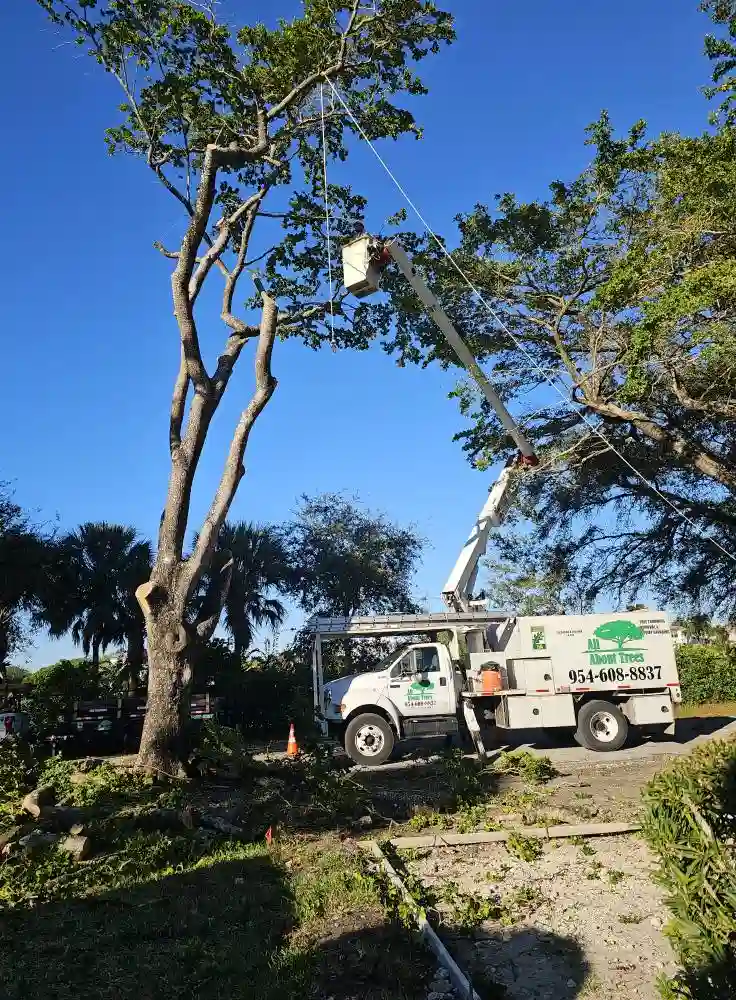
Where trimming fits: appearances, clearance, and events containment
There is not anything inherently incorrect with trimming when it’s performed with restraint. On specific species and in definite contexts, it’s the correct go.
- For hedges, displays, and tightly clumping shrubs, trimming holds a line and assists in keeping improvement in bounds. Privet, boxwood, and photinia tolerate shearing and get better with out structural penalty. Around walkways and driveways, trimming a handful of extending branch data improves clearance with out overhauling the comprehensive tree. Under utility lines or roof eaves, trimming can fast limit conflicts. I still decide upon selective relief cuts over uniform shearing, but oftentimes get entry to and price range level to a careful trim.
If I trim a broadleaf tree, I do it with aid cuts to come back to laterals, not shears. That preserves traditional structure whereas shortening achieve. The extra you eliminate out on the data with no regard for a lateral, the greater full of life and volatile the regrowth may be.
Where pruning matches: layout, protection, and longevity
Pruning is the craft edge of the work. It’s diagnostic and deliberate. Before I prune, I walk the tree and examine its story: in which the winning winds hit, which branches rub, wherein sunlight gaps inspire heavy development, and how the trunk tapers. Pruning makes the so much distinction while:
- You prefer fewer typhoon failures. Removing deadwood, crossing branches, and weak co-dominant stems reduces leverage and points of friction. You desire stronger fruit and flora. Thinning cuts augment gentle and air inside the cover, which reduces sickness and improves fruit size and color in apples, pears, and peaches. You choose to set a young tree on a amazing path. A few nicely located cuts in years 2 to 5 build a stable scaffold and take away long run dangers.
In follow, pruning pivots around three cuts: thinning, relief, and removal. Thinning cuts take an entire branch lower back to its starting place, commencing the canopy. Reduction cuts shorten a branch with the aid of reducing to come back to a lateral that is no less than a third the diameter of the mother or father. Removal cuts take out a faulty or poorly placed branch wholly. Done in fact, those cuts depart the department collar intact and give the tree a acceptable threat to seal.
Timing isn't really just a calendar note
I see a good deal of calendars with blanket recommendation like prune in wintry weather or trim in summer season. Those regulations are too blunt. Timing rides on species, climate, and the goal.
Dormant season pruning, overdue iciness in many areas, reduces sap pass and minimizes sickness unfold in species prone to bleeding. It additionally gives a clear view of architecture. Structural ameliorations in alright, elms, and maples typically match this window. The tradeoff is that dormant pruning can stimulate lively spring increase, that's effectual when you’re constructing constitution and unhelpful for those who’re trying to sluggish a tree down.
Summer pruning and gentle trimming can shrink enlargement through casting off leaves when the tree is actively photosynthesizing. If a maple overshadows a garden bed, a mid season reduction can allow in solar devoid of scary the same flush you’d get from a past due wintry weather cut. For cherries and plums at risk of silver leaf and canker, dry summer cuts curb contamination chance. Conversely, keep heavy summer season paintings in warm waves; it stresses the tree and increases water call for.
Avoid pruning in the time of rainy spells for species susceptible to sicknesses that trip moisture and refreshing wounds. Oak wilt menace varies locally, but the basic guidelines is to ward off pruning okay all through energetic beetle flight sessions that could run from spring into mid summer. When in doubt, determine local extension advisories.

Species rely more than many think
Pruning a beech isn't really just like pruning a crape myrtle or a pine. Pay attention to timber anatomy, enlargement dependancy, and affliction hazards.
Oaks desire minimum, neatly seen cuts. Their slower compartmentalization makes sparkling technique critical. I’d highly make several thoughtful mark downs than many small nips.
Birches and maples bleed sap in late wintry weather if reduce near bud break. Bleeding is routinely beauty, yet should you favor to hinder it, wait unless leaves are solely out.
Stone fruit profit from annual pruning that gets rid of inward expansion and improves air circulation. Peach wood bears fruit on remaining 12 months’s shoots, so renewal pruning is vital to stay younger fruiting picket coming.
Conifers don’t respond to challenging to come back cuts the approach broadleaf bushes do. On pines, you will pinch candles to arrange period, however cutting again into previous wood that lacks needles won’t regenerate. On arborvitae, which you can trim frivolously on eco-friendly guidelines, but slicing lower back into bare inside stems received’t produce new foliage.
Mature bushes with decay wallet, dead tops, or lightning scars require restraint. I quite often advise staged work over two or 3 seasons, relatively if the tree is critical. Taking too much are living tissue instantaneously can tip a marginal tree towards decline.
A quick evaluation wherein it helps
- Trimming makes a speciality of visual appeal and quick clearance. It incessantly shortens department advice or evens the cover define. Pruning specializes in shape, overall healthiness, and chance relief. It ambitions one-of-a-kind branches and faults to improve the tree’s long time form. Trimming is speedier, pretty much calls for less evaluation, and tends to be inexpensive in step with discuss with. Pruning takes greater time and skill on the grounds that each one lower has a structural objective. It regularly rates extra prematurely however reduces long term disasters and emergency calls. Trimming that ignores biology can create trouble like water sprouts and rot. Pruning that respects increase patterns sets up years of shrink upkeep.
What a pro seems to be for sooner than cutting
When I’m which is called to judge a tree, I don’t start out with saws. I start off with questions and a stroll round.
First, what are the owner’s desires? Light for a vegetable bed, clearance for start trucks, much less debris in a pool, or a more secure play quarter lower than the canopy? Goals power the technique.
Second, how does the tree raise itself? I investigate trunk flare, soil grade alterations, fungus our bodies, and vintage pruning wounds. I note lean, prevailing wind, and how the cover distributes weight over the bottom. A heavy cantilevered limb over a roof may basically desire a small discount to come back to a amazing lateral, however mostly a cabling gadget is a better adjunct to pruning.
Third, how plenty live tissue will we cast off safely? If the tree is drought harassed, pest ridden, or newly transplanted, I trim expectations and stage the work. I’d distinctly restore a probability and defer beauty requests than push a stressed tree to the sting.
Only after this experiment do I mark cuts. On a sizeable process, I’ve chalked and flagged dozens of issues so the climber and flooring team share the similar plan. This planning step is the change among a easy, purposeful prune and a rushed trim.
The economics at the back of doing it right
It will likely be tempting to elect the lowest bid that supplies a neat define by afternoon. I’ve accompanied a good deal of those jobs with corrective pruning two years later that charge two to three instances more than the authentic work. The economics of bushes are undeniable: a pretty good prune lasts longer and decreases danger situations. A heavy trim can shorten durations among service, improve storm cleanup, and speed up decline on delicate species.
Fruit growers know this intuitively. A well pruned apple has improved easy distribution and airflow, which lowers spray wants and raises marketable fruit. In yard phrases, that might be the change among a few dozen wormy apples and 100 smooth ones that in fact get eaten. Similarly, a good pruned highway maple sheds fewer considerable limbs in wind occasions, that's an instantaneous insurance plan and liability dilemma.
For budgeting, imagine younger tree structural pruning each and every 2 to 3 years in the course of status quo, then pass to three to 5 years for mature bushes, adjusting for species energy and site exposure. Light trimming for clearance may possibly fall in between, but be disciplined about how a great deal you take away on any unmarried stopover at.
Safety and risk: where trimming will become a liability
I actually have turned down work when the request was once “take as an awful lot as one can to make it small.” Over aid, as a rule often called lion’s tailing whilst inner branches are stripped and all foliage is left on ends, creates whips that snap past due in storms. Topping - cutting to come back to stubs with no laterals - is worse. It is quickly, it's miles low-cost, and it creates a renovation trap with weakly connected clusters of sprouts. Municipalities in certain cases still require topping below high strains due to clearance mandates, however for non-public trees, it’s a final lodge after all other thoughts fail.
On the flip edge, not touching a tree will likely be its very own risk. Deadwood over a patio, cracked limbs with included bark, and branches rubbing shingles are preventable issues. Pruning means that you can scale back hazard devoid of compromising the tree’s long run. A perfect rule: while you want to eliminate more than 1 / 4 of the are living crown on a mature tree to satisfy your targets, step lower back and reconsider. There may be greater recommendations like certain reductions, selective removals of competing limbs, or even planting a secondary tree to take over the function so you can regularly lower the 1st.
Homeowner blunders I see over and over
Shearing a tree as if it have been a hedge is the top mistake. The moment is slicing too near to the trunk, taking out the department collar. Those flush cuts glance neat at first, however they slow closure and invite decay. Third is ladder paintings with no tie in points. Every year, I hear about falls from https://besttreetrimming.com/ aluminum ladders into are living branches with a saw in hand. If you could possibly’t reach it competently with the two feet planted and a sharp hand saw, employ a person who can climb or convey a boost.
Another prevalent misstep is cleaning out the interior and leaving foliage in basic terms on the info. It looks ethereal within the quick term and sounds like you “lightened” the tree, however you've got you have got accelerated leverage and wind sail on the very ends, which raises the risk of breakage.
Finally, chopping at the incorrect time for the species is wide-spread. For instance, heavy late summer time cuts on a sugar maple earlier than a drought stretch can trigger area browning and rigidity that contains into iciness. The superior cross is to watch for a funky, stable interval or push structural changes to dormancy if illness possibility is low.
Tools, procedure, and easy work
Sharp resources difference every part. A thoroughly sharpened hand noticed cuts quicker and cleaner than a stupid chainsaw run with the aid of a frightened arm at complete extension. For such a lot residential pruning beneath 4 inches in diameter, a hand saw and skip pruners are the appropriate resources. Use a 3 lower process on greater branches to steer clear of bark tearing: an undercut a brief distance from the trunk, a accurate minimize out of doors that to drop the burden, then a final clean minimize simply open air the department collar.
Disinfecting tools among bushes is a ordinary dependancy that matters when fire blight or different pathogens are in play. A spray bottle with 70 percent isopropyl alcohol does the job. It’s no longer invaluable on every lower, however it really is prudent whilst shifting between bushes of the comparable vulnerable species for the time of a plague.
Make cuts that renowned taper and cargo paths. If you're decreasing a long lateral, settle upon a solid subordinate branch this is at the very least a third the diameter of the mum or dad. Take care not to go away stubs, which die returned and feed decay.
A case study: two maples, two approaches
On one belongings, the the front backyard sugar maple had grown over the driveway. The owner asked for “a tidy trim.” I suggested selective reductions and thinning as a substitute. We got rid of three crossing branches, shortened two leaders again to effectively located laterals, and took out deadwood. The crown retained its ordinary structure, and we opened a corridor over the drive devoid of flat topping the canopy. Three years later, the layout remained good, and the regrowth mixed.
In the backyard, a Norway maple leaned closer to the neighbor’s storage. It were crowned years until now and become loaded with water sprouts. Here, trimming might were lipstick on a pig. We staged a two year plan. Year one, we eliminated a competing chief with a fresh elimination lower and reduced 3 lengthy limbs to sluggish the lean’s momentum. We additionally thinned congested places to shrink sail. Year two, we got here back to refine mark downs and set up a non invasive cable between two primary leaders to percentage load. The tree nevertheless isn’t superb - crowned timber hardly are - however menace dropped dramatically, and the repairs c language lengthened.
When to call a pro
It’s clever to prune your very own small trees and shrubs. If you'll be able to make a cut with equally feet at the floor, a sharp instrument, and a clean view of the branch collar, you are able to do accurate paintings with a little examine. Above that, the math modifications. Rope techniques, rigging, chainsaw use aloft, and judgment about load and rot require instruction.
Call an authorized arborist should you realize vast dead limbs aloft, cracks at department unions, fungus conks at the trunk or root flare, surprising leaning, or any desire for work close pressure traces. Also name for veteran timber with cultural or sentimental value. An hour of session can spare a century of expansion.
Ask pointed questions. What cuts are you planning and why? How a great deal reside crown do you be expecting to cast off? Are you riding thinning and reduction cuts instead of topping? What is your plan to dodge wounding department collars? If a bid grants a “spherical over” or “sparkling out,” press for specifics.
Setting a sensible repairs rhythm
Trees do not choose per thirty days grooming. They desire a clear format early, periodic assessments, and specific paintings. A rhythm I use on many sites:
- Years 1 to five after planting: determine a dominant leader, space scaffold branches, eradicate or lower co-dominant stems early, and right crossing limbs. One faded prune each and every 1 to 2 years. Years 6 to 15: determine every 2 to three years for clearance needs, deadwood, and balance. Make modest reductions in which limbs outrun the canopy. Mature part: inspect each 3 to 5 years, with more wide-spread checks after primary storms. Focus on deadwood, threat relief, and soft structural differences. Avoid sizeable are living crown removals except there's a transparent defense reason why.
For hedges and formal displays, trimming periods might possibly be tighter, regularly two to four instances consistent with transforming into season depending on species and vigor. Keep hedges a little bit wider at the base than the high so curb foliage will get faded. That one element assists in keeping hedges crammed and reduces woody gaps.
Why the language we use changes outcomes
Words steer choices. If you ask a workforce to “trim the oak,” you may get a fast move that shortens recommendations and cleans the outline. If you ask for a structural prune to limit cease weight over the driveway and put off deadwood, you just raised the bar. You’ll doubtless get fewer cuts, but each will be counted greater. You also framed success in phrases of load, wellbeing, and hazard in place of brief time period cosmetics.
Over years, that language shift pays off. The cover remains organic, mess ups drop, and the tree ages with dignity. The yard appears to be like much less manicured on day one compared to a good sheared silhouette, however it appears more advantageous on day one thousand.
A few simple checkpoints beforehand you bounce cutting
- Identify the objective in a sentence you could shield. If you can still’t country the cause, don’t make the cut. Find the department collar ahead of you cut. If you is not going to see it, regulate your attitude or clean a small volume of bark to hit upon the swelling. Choose reduction cuts to laterals at the least a third the scale of the father or mother branch while shortening is needed. Avoid stubs and topping cuts. Limit dwell crown removing, notably on mature or stressed trees. Stage big differences throughout seasons if crucial. Clean up with care. Remove hangers and small deadwood, but resist the urge to “even every part out” at the cease.
The quiet payoff
The wonderful pruning in many instances attracts no comment. A vacationer steps under a cover and notices faded, air, and a feeling that the tree belongs there. Storms come and opt for fewer damaged limbs. Fruit hangs in which fingers can achieve it. Roofs and features live clear. That is the cumulative praise of prioritizing pruning for format and future health, and trimming purely the place it matches.
Get the phrases correct, and also you set your timber up for a longer, more secure lifestyles. You also spend smarter. A even handed prune nowadays is a issue you certainly not should clear up day after today.
Professional Tree Service in Hollywood FL ⭐⭐⭐⭐⭐ All About Trees Tree Service 4933 Southwest 44th Avenue Fort Lauderdale, FL 33314 US (954) 608-8837